Roof Trusses
Lean on Me: The Quiet Strength of Roof Trusses You Can’t Ignore
When you look up at your ceiling, you’re seeing the finished product of an intricate engineering marvel that works silently above your head every single day. Roof trusses form the backbone of your home’s structural integrity, distributing thousands of pounds of weight while withstanding wind, snow, and the test of time. These triangulated frameworks of wood and metal connectors might be hidden from view, but their role in keeping your home safe and stable cannot be overstated.
Understanding roof trusses isn’t just valuable knowledge for contractors and engineers—it’s essential information for any homeowner who wants to protect their investment. Whether you’re building new, renovating, or simply maintaining your current home, knowing how these critical components function can help you make informed decisions about your roofing system. This comprehensive guide will walk you through everything you need to know about roof trusses, from their basic anatomy to their long-term maintenance requirements.
The Anatomy of a Roof Truss: More Than Just Wood
Key Components and Their Functions
Every roof truss consists of three essential elements that work together to create a stable structure. The top chord runs along the peak and slope of the roof, bearing the weight of roofing materials and transferring loads down to the walls. The bottom chord spans horizontally across the bottom of the truss, often serving as the ceiling joists for the room below while resisting the outward thrust created by the top chord.
The Triangle: Engineering’s Strongest Shape
The triangular configuration of roof trusses isn’t arbitrary—it’s based on fundamental engineering principles that have been proven over centuries. This geometric shape naturally handles both tension and compression forces by distributing loads along multiple paths rather than concentrating stress in a single member.
From Blueprint to Build: The Design Process
Modern roof trusses begin their life as computer models, where structural engineers use specialized software to calculate precise load requirements and member sizes for each specific project. These programs account for local building codes, snow loads, wind speeds, and the exact dimensions of the structure to create custom truss designs that meet safety standards with optimal material efficiency.
Roof Trusses
Prefabricated Trusses vs. Traditional Rafters
Speed and Efficiency on the Job Site
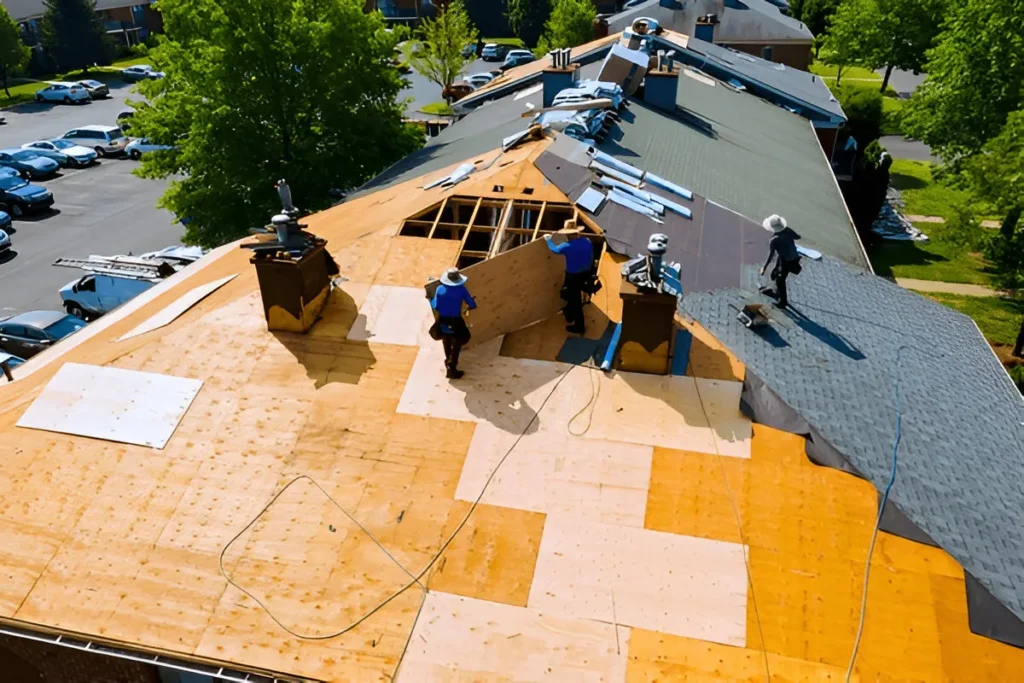
Prefabricated trusses arrive at the construction site ready for installation, allowing crews to frame an entire roof system in a matter of hours rather than days. This manufacturing approach eliminates the time-intensive process of measuring, cutting, and assembling individual rafters on-site, where weather conditions and workspace limitations can slow progress.
Cost Analysis: Upfront vs. Long-Term Savings
While prefabricated roof trusses may have a higher initial material cost compared to traditional stick framing, they deliver significant savings through reduced labor hours and minimized material waste. The precision manufacturing process ensures optimal material usage, eliminating the excess lumber often required for on-site rafter construction.
Consistency and Quality Control
Factory-built trusses are manufactured in controlled environments where temperature, humidity, and precision can be maintained to exacting standards. This controlled setting allows for consistent quality across every truss, with each joint properly aligned and fastened according to engineering specifications.
Materials Matter: Choosing the Right Foundation for Your Trusses
The Dominance of Southern Yellow Pine
Southern Yellow Pine has become the material of choice for residential roof trusses due to its exceptional strength-to-weight ratio and cost-effectiveness. This lumber species offers the structural properties needed to handle residential loads while remaining light enough for efficient handling and installation.
Engineered Lumber and Steel Alternatives
For applications requiring longer spans or enhanced performance characteristics, engineered lumber products like laminated veneer lumber (LVL) provide superior strength and dimensional stability compared to traditional sawn lumber. Light-gauge steel trusses offer advantages in commercial applications or residential projects where non-combustible construction is required, providing excellent strength-to-weight ratios and resistance to moisture, insects, and dimensional changes.
The Importance of Grading and Treatment
Structural lumber used in truss manufacturing undergoes rigorous grading processes that evaluate each piece for strength characteristics, ensuring only suitable materials are used for load-bearing applications. Proper treatment of truss lumber protects against moisture infiltration, decay, and insect damage, extending the service life of the structural system while maintaining its load-carrying capacity.
Common Types of Roof Trusses and Their Applications
The King Post Truss: Simple and Effective
The King Post truss represents one of the simplest and most economical truss designs, featuring a single vertical member connecting the peak to the center of the bottom chord. This straightforward configuration makes it ideal for shorter spans typically found in garages, workshops, and small residential additions where simplicity and cost-effectiveness are primary concerns.
The Fink Truss: Versatility for Residential Homes
The Fink truss, recognizable by its distinctive “W” shaped webbing pattern, has become the most widely used truss design in residential construction due to its optimal balance of economy and performance. This configuration efficiently handles typical residential loads across spans ranging from 24 to 60 feet while using standard lumber sizes throughout the assembly.
Specialty Trusses: Scissor, Attic, and Mono Designs
Scissor trusses create dramatic vaulted ceilings by eliminating the horizontal bottom chord and substituting sloped members that follow the roofline, opening up interior spaces while maintaining structural integrity. Attic trusses incorporate modified webbing designs that create usable living space within the truss depth, providing both structural support and habitable area in a single system.
Prefabricated Roof Trusses
The Critical Role of Proper Truss Installation
Handling and Storage on Site
Proper handling and storage of trusses on the roof construction site are crucial for maintaining their structural integrity before installation. Trusses must be stored on level surfaces with adequate support points to prevent warping or stress concentration that could weaken individual members or connections.
Bracing is Not Optional: Ensuring System Stability
Temporary bracing during installation and permanent lateral bracing after completion transform individual trusses into a cohesive structural system capable of resisting wind and seismic loads. Without proper bracing, trusses can buckle under load or fail to work together as an integrated roof system, potentially leading to catastrophic failure.
Common Installation Mistakes and How to Avoid Them
Field modifications to trusses, such as cutting members or relocating connections, can compromise the engineered design and void the structural integrity of the entire system. Improper fastening, incorrect spacing, or failure to provide adequate bearing support can result in overloaded members and premature failure.
Identifying Signs of Truss Distress or Failure
Visual Clues: Cracks, Splits, and Sagging
Homeowners should regularly inspect their attic spaces for visible signs of truss distress, including cracks in wood members, separated connector plates, or noticeable sagging along the bottom chord or ridge line. These visual indicators often represent the early stages of structural problems that can worsen over time if left unaddressed.
The Impact of Water Damage and Rot
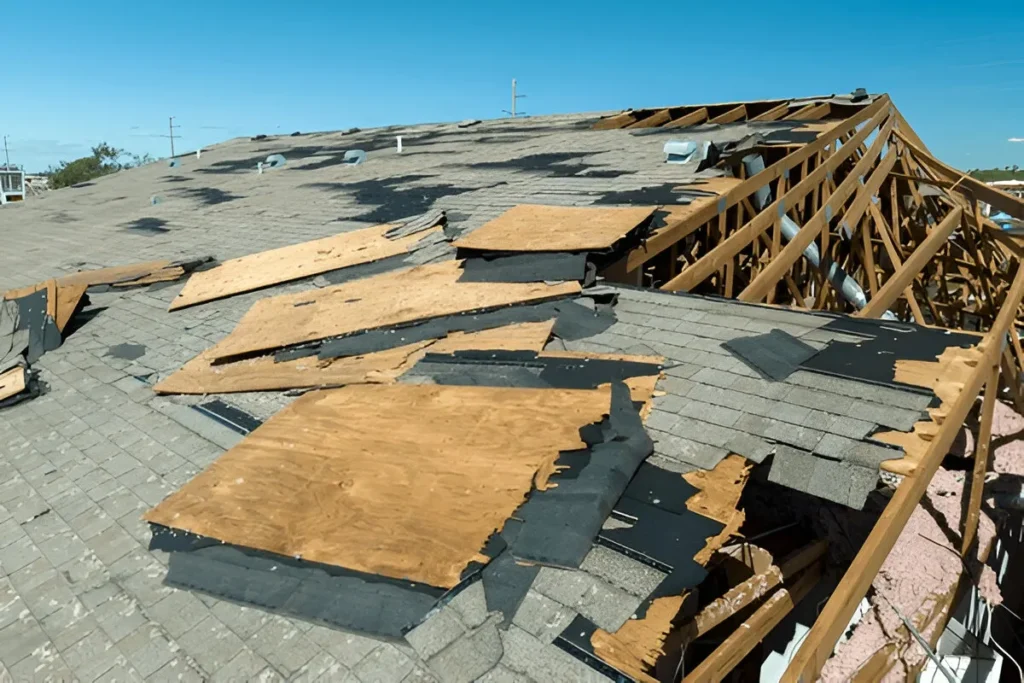
Water infiltration from roof leaks or condensation can severely compromise the structural integrity of wooden trusses by promoting decay and weakening both the wood members and metal connector plates. Prolonged moisture exposure can lead to fungal growth that literally consumes the wood fibers, reducing the load-carrying capacity of affected members.
When to Call a Professional Engineer
Any signs of significant structural distress in roof trusses warrant immediate evaluation by a qualified structural engineer who can assess the severity of the problem and recommend appropriate remedial measures. Professional evaluation becomes critical when visible damage is present, when modifications to the roof system are planned, or when unusual loading conditions are anticipated.
Trusses and Home Renovations: What You Need to Know
Why You Can’t Simply Cut a Truss
Every member in an engineered roof truss serves a specific structural function, and removing or cutting any component can compromise the load-carrying capacity of the entire system. Unlike traditional rafter systems where individual members can sometimes be modified, trusses are designed as integrated units where each component is sized to handle specific forces.
Modifying Trusses for Conversions or Additions
Legitimate modifications to existing trusses require new engineering analysis and certified reinforcement plans that ensure the modified system can safely carry all anticipated loads. Professional modification involves adding reinforcement members, upgrading connections, or installing entirely new trusses designed to accommodate the planned changes.
Integrating New Trusses with an Existing Structure
Adding new roof sections to existing homes requires careful coordination between new and existing structural systems to ensure proper load transfer and weather protection. The connection details between new trusses and existing structure must be engineered to handle the combined loads while maintaining the integrity of both systems.
Prefabricated Roof Trusses Service
Iron Bull Roofing: Your Partner in Structural Integrity
Comprehensive Roof System Evaluations
At Iron Bull Roofing, our inspection process goes beyond surface-level assessment to examine the entire structural system, including trusses, decking, and connections that support your roof. Our trained roofing professionals understand how to identify potential structural issues and assess the overall health of your roof system from the trusses up.
Expertise in Structural Repair and Reinforcement
When structural issues are identified during our inspections, we have the expertise and resources to address problems ranging from minor repairs to major reinforcement projects requiring engineering collaboration. Our experience with various truss systems and structural challenges allows us to recommend the most appropriate solutions for your specific situation.
Commitment to Quality Materials and Installation Standards
Iron Bull Roofing maintains strict standards for both materials and installation procedures to ensure that every project meets the highest performance and safety requirements. Our commitment to quality extends from the selection of premium roofing materials to the precise installation techniques that protect your structural investment.
Building Confidence from the Ground Up
The quiet strength of roof trusses represents one of the most critical yet overlooked aspects of home construction and maintenance. These engineered marvels work tirelessly above your head, distributing loads, resisting weather forces, and maintaining the structural integrity that keeps your family safe and your investment secure. Understanding their function, recognizing their limitations, and respecting their engineered design are essential steps in protecting your home’s structural foundation.
Don’t wait for signs of structural distress to address the health of your roof system. Schedule a comprehensive roof inspection with Iron Bull Roofing today to ensure that your trusses and entire roofing system are providing the protection and structural integrity your home deserves. Our experienced professionals will assess your roof from the trusses up, providing you with the information and services needed to maintain your home’s structural foundation for years to come.
https://www.google.com/maps?cid=1166087704919324729