How Long Does a Roof Last
Shingles, Metal, or Tile: How Long Does a Roof Last?
Your roof stands as the primary barrier between your home and the elements, making its longevity a critical consideration for every homeowner. Understanding how long different roofing materials last helps you make informed decisions about your property’s most important protective system.
Different roofing materials offer varying roof’s lifespans, maintenance requirements, and value propositions. This comprehensive guide examines the expected lifespan of popular roofing materials, factors that influence durability, and essential maintenance practices that maximize your investment. You’ll gain the knowledge needed to choose the right roofing system for your home and budget.
The Lifespan of Asphalt Shingles: The Popular Choice
Architectural vs. 3-Tab Shingles
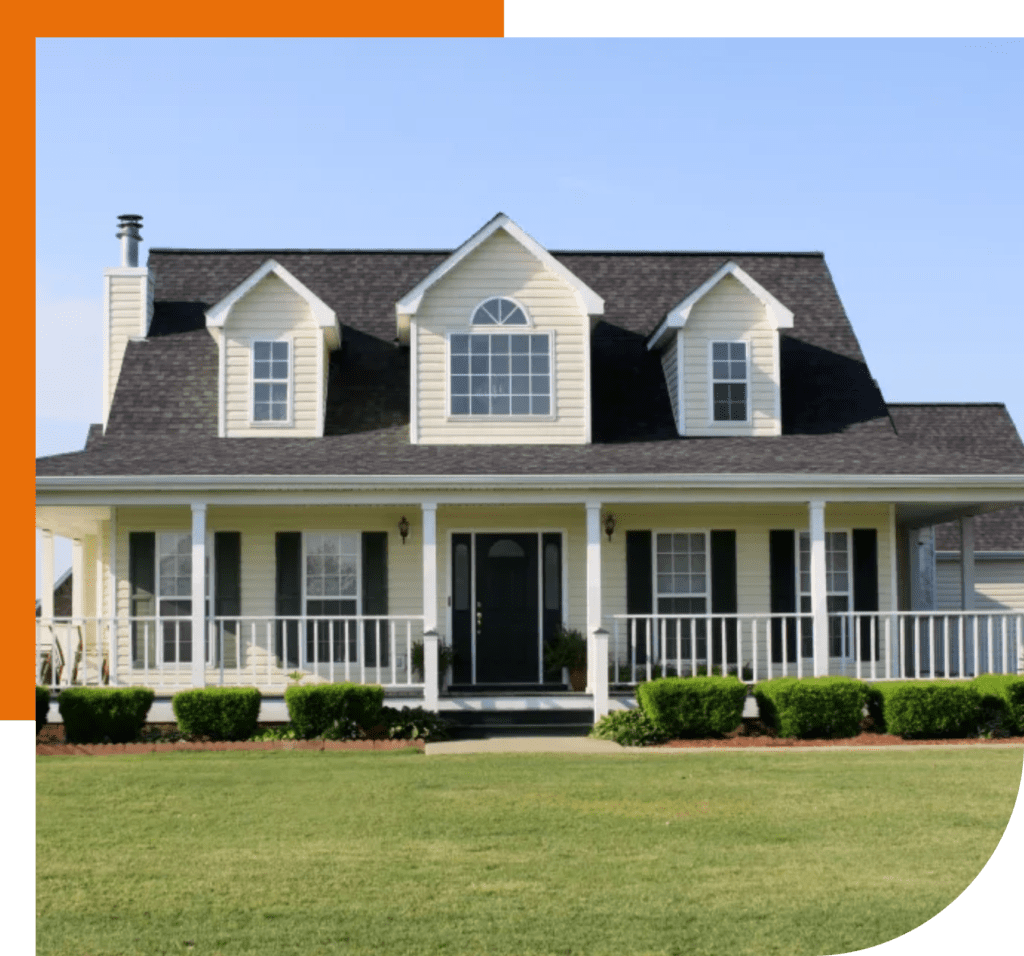
Architectural shingles, also known as dimensional shingles, feature a thicker, multi-layered construction that significantly extends their lifespan compared to traditional 3-tab shingles. These premium asphalt shingles typically last 20-30 years, while 3-tab shingles generally provide 15-20 years of reliable service.
The Role of Granules and Fiberglass Mats
The longevity of asphalt shingles depends heavily on their composition, particularly the protective granules and internal fiberglass mat. Surface granules shield the asphalt layer from harmful UV rays, preventing premature aging and deterioration. The fiberglass mat provides structural integrity and dimensional stability, ensuring the shingle maintains its shape and protective qualities throughout its service life.
Factors That Shorten Shingle Life
Poor attic ventilation represents one of the most common threats to asphalt shingle longevity, as trapped heat accelerates aging and can cause shingles to curl or crack prematurely. Severe weather events, particularly hailstorms, can cause immediate damage or create vulnerable spots that lead to future failures.
Roof’s Lifespan
The Durability of Metal Roofing: A Long-Term Investment
Material Breakdown: Steel, Aluminum, and Copper
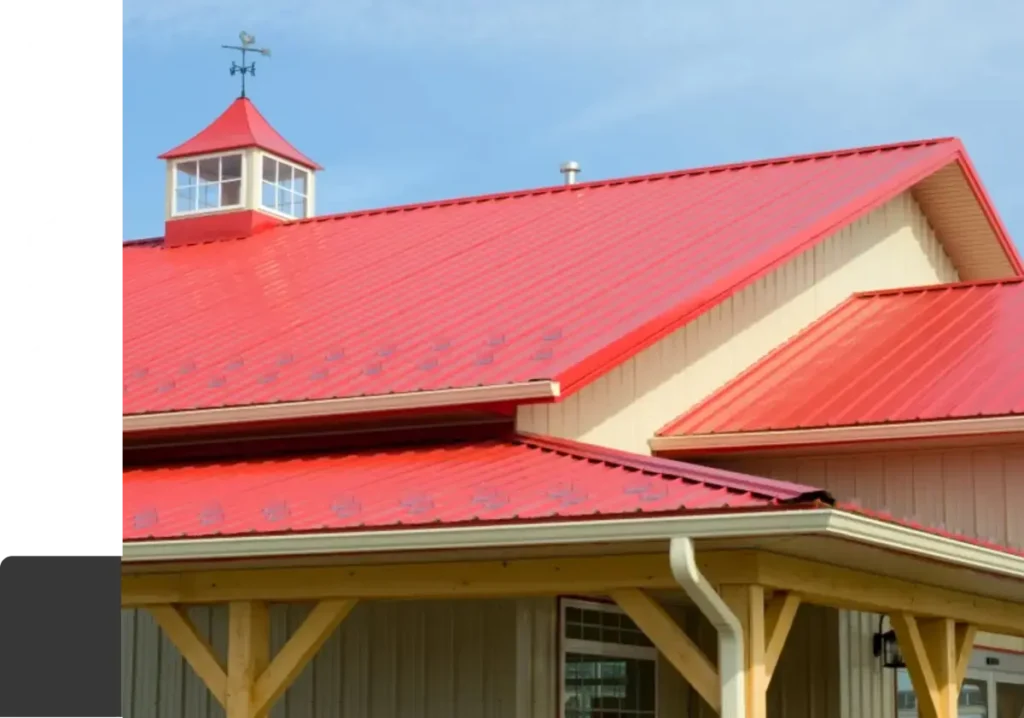
Metal roofing materials offer impressive longevity, with galvanized or galvalume steel systems lasting 40-70 years depending on coating quality and environmental conditions. Aluminum roofing excels in coastal environments due to its superior corrosion resistance, making it an excellent choice for homes near saltwater.
The Impact of Protective Coatings
Advanced protective coatings like Kynar 500 play a crucial role in metal roofing longevity by preventing fading, chalking, and corrosion that can compromise both appearance and structural integrity. These specialized coatings create a barrier against UV radiation, acid rain, and other environmental factors that would otherwise degrade the metal substrate.
Standing Seam vs. Corrugated Panels
Standing seam metal roofing systems feature concealed fasteners and interlocking panels that provide superior weather protection and longevity compared to exposed-fastener corrugated panels. Corrugated panels with exposed fasteners require more frequent maintenance and typically have shorter lifespans due to potential fastener degradation and seal failure over time.
The Enduring Nature of Tile Roofing: Classic and Resilient
Clay vs. Concrete Tiles
Traditional clay tiles represent one of the most durable roofing materials available, with properly maintained systems lasting 100 years or more while retaining their structural integrity and aesthetic appeal. Concrete tiles offer a similar appearance and excellent durability with lifespans exceeding 50 years, often at a more accessible price point than clay alternatives.
The Importance of Underlayment
While tile materials themselves demonstrate remarkable durability, the overall system’s lifespan often depends on the quality and condition of the underlying water-resistant membrane. High-quality underlayment typically requires replacement every 20-30 years, making it essential to plan for this maintenance cycle even when the tiles themselves remain in excellent condition.
Weight and Structural Considerations
Tile roofing systems impose significant structural loads that require careful evaluation of the home’s framing capacity before installation. A professional structural assessment ensures the existing framework can safely support the additional weight without compromising the building’s integrity.
Other Roofing Materials: Exploring the Alternatives
Synthetic and Composite Options
Modern composite roofing materials engineered to replicate the appearance of natural slate or wood shakes offer impressive lifespans of 30-50 years while providing enhanced impact resistance and reduced maintenance requirements. Synthetic options provide homeowners with premium looks without the weight, cost, or maintenance challenges associated with natural materials.
Natural Slate: The Lifetime Roof
Natural slate represents the premium roofing material, with properly installed systems lasting 75-200 years due to the stone’s natural resistance to fire, water, and pest damage. The exceptional longevity of slate roofing makes it a true lifetime investment, though it requires specialized installation techniques and structural support due to its considerable weight.
Wood Shakes and Shingles
Cedar shakes and shingles provide natural beauty and excellent insulation properties, with typical lifespans ranging from 20-40 years depending on climate, maintenance, and wood quality. The longevity of wood roofing systems depends heavily on regular treatments to prevent mold, rot, and insect damage, particularly in humid climates.
Roof’s Lifespan Expectation
Key Factors That Influence Any Roof’s Lifespan
Quality of Installation
Professional, manufacturer-certified roof installation represents the single most critical factor in achieving expected roofing material lifespans, as improper techniques can cause premature failures regardless of material quality. Correct fastening patterns, proper flashing installation, and adequate underlayment are essential elements that protect your investment and ensure warranty coverage remains valid.
Climate and Environmental Exposure
Regional climate conditions significantly impact roofing material longevity, with intense UV exposure, temperature extremes, and weather patterns all affecting degradation rates. Constant sun exposure can accelerate material aging, while heavy snow loads create additional structural stress that may shorten system life.
Proper Attic Ventilation and Insulation
Balanced attic ventilation systems prevent heat and moisture buildup that can damage roofing materials from the underside, significantly extending system life across all material types. Proper insulation and ventilation protect roof decking from rot and prevent ice dam formation in cold climates while reducing cooling costs in warm regions.
The Critical Role of Regular Maintenance
Routine Inspections and Debris Removal
Annual professional inspections identify potential issues before they develop into major problems, allowing for cost-effective repairs that preserve the roofing system’s integrity and expected lifespan. Regular debris removal from gutters and roof surfaces prevents water ponding and reduces the risk of damage from organic matter decomposition.
Addressing Minor Repairs Promptly
Quick attention to minor issues such as loose shingles, cracked tiles, or lifted flashing prevents small problems from developing into major structural damage that compromises the entire roofing system. Early intervention typically requires minimal investment while preventing water infiltration that can damage insulation, framing, and interior finishes.
Professional Maintenance vs. DIY
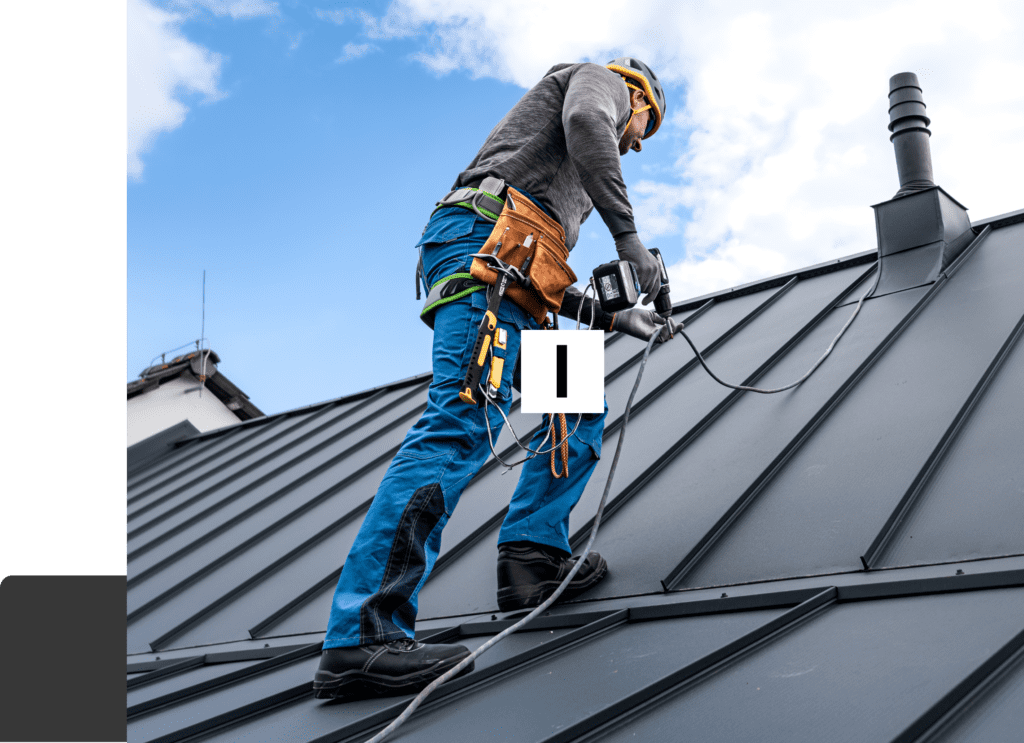
Homeowners can safely perform ground-level visual inspections and basic gutter cleaning, but technical repairs and roof-walking activities should always be left to qualified professionals with proper equipment and insurance coverage. Professional maintenance services include detailed inspections, minor repairs, and preventive treatments that extend system life while maintaining safety standards.
Recognizing the Signs of a Failing Roof
Interior Clues: Water Stains and Leaks
Water stains on ceilings or walls indicate definitive roofing system failure that requires immediate professional evaluation to prevent further structural damage and potential health hazards from mold growth. Active leaks represent emergency situations that can cause extensive damage to insulation, framing, and personal property if not addressed promptly.
Exterior Visual Indicators
Visible exterior signs of roofing system failure include widespread granule loss in gutters, cracked or missing tiles, dented or corroded metal panels, and sagging roof decking that indicates structural compromise. Regular visual inspections from ground level can identify many potential issues before they cause interior damage, allowing for planned repairs rather than emergency interventions.
Age as a Primary Factor
Roofing systems approaching their expected lifespan should be evaluated proactively for replacement planning, even without obvious failure signs, to avoid emergency situations and allow for proper budgeting and scheduling. Age-related deterioration often accelerates rapidly once materials reach their design limits, making proactive replacement more cost-effective than reactive emergency repairs.
The Financial Aspect: Cost of Ownership Over Time
Calculating Upfront Cost vs. Long-Term Value
Total cost of ownership analysis considers initial installation costs, expected lifespan, maintenance requirements, and replacement timing to determine the most economical roofing choice over time. Premium materials with higher upfront costs often provide superior long-term value through extended lifespans and reduced maintenance needs compared to budget alternatives requiring frequent replacement.
Impact on Home Insurance Premiums
Many insurance providers offer premium discounts for impact-resistant roofing materials and wind-resistant roof installation methods, potentially offsetting higher material costs through reduced annual premiums over the system’s life. Class 4 impact-resistant shingles and properly installed metal roofing often qualify for significant discounts in hail-prone areas, while hurricane-rated systems may reduce premiums in coastal regions.
How a New Roof Affects Resale Value
A new roof with transferable warranties significantly enhances home marketability and allows sellers to recoup substantial portions of installation costs through increased sale prices and faster market times. Quality roofing systems provide immediate curb appeal and buyer confidence while eliminating a major inspection concern that could derail sales negotiations.
Long-term Roof’s Lifespan
Iron Bull Roofing: Your Partner in Long-Term Protection
Material Expertise and Honest Consultation
Iron Bull Roofing provides comprehensive education on roofing material lifespans, benefits, and long-term costs to ensure every client makes confident, informed decisions tailored to their specific property and budget requirements. Our consultation process includes detailed explanations of expected performance, maintenance needs, and total cost of ownership for each material option.
Manufacturer-Certified Installation Standards
Our commitment to manufacturer-certified installation techniques ensures optimal performance and longevity while maintaining full warranty coverage for every roofing system we install. Strict adherence to industry standards and manufacturer specifications provides the foundation for achieving expected material lifespans and performance characteristics.
Proactive Maintenance and Inspection Programs
Iron Bull Roofing offers comprehensive maintenance programs designed to identify and address minor issues before they compromise your roof’s lifespan, protecting your investment through professional care and attention. Our systematic approach to roof maintenance includes detailed inspections, preventive treatments, and prompt repairs that extend system life while maintaining peak performance.
Protecting Your Investment for Decades to Come
Understanding roofing material lifespans empowers you to make informed decisions about your home’s most critical protective system. While asphalt shingles provide reliable 15-30 year service, metal roofing offers 40-70 years of durability, and tile systems can protect your home for a century or more.
Remember that achieving maximum lifespan requires three essential elements: quality materials, professional installation, and ongoing maintenance. Your roof’s longevity isn’t just determined by the materials you choose, but by the care and attention it receives throughout its service life.
Take action today by scheduling a professional roof assessment to understand your current system’s condition and plan effectively for its future. Contact Iron Bull Roofing to discuss your roofing needs and discover how the right material choice and expert installation can provide decades of reliable protection for your most important investment.
https://www.google.com/maps?cid=1166087704919324729