Deck Roof
Over Your Head: Why You Should Add a Deck Roof
There’s something special about extending your home beyond its four walls. A covered deck takes your outdoor living space to the next level, blending comfort, protection, and style in one smart upgrade. It’s not just about shade—it’s about transforming your deck into a space you can enjoy year-round.
So, what exactly is a deck roof? In simple terms, it’s a permanent overhead structure that shields your deck from sun, rain, and unpredictable weather. Think of it as a roof extension that makes your deck more functional, more comfortable, and far more versatile. Instead of being limited to sunny afternoons or dry days, your deck becomes a reliable retreat no matter what the skies decide to do.
Maximize Usability: Enjoy Your Deck in Any Weather
Protection from Rain and Inclement Weather
A solid roof provides reliable shelter from rain, hail, and snow, ensuring your outdoor plans are never canceled due to unexpected downpours. This protection allows for uninterrupted relaxation, dining, and entertaining, making your deck a dependable space for gatherings with family and friends.
Creating a Shaded Oasis from Summer Sun
During hot summer months, intense sun can make a deck unusable. A roof creates a cool, shaded retreat, protecting you and your guests from harsh UV rays. This shade not only makes the space more comfortable but also helps safeguard your skin and keeps your outdoor furniture from fading.
Expanding Your Home’s Functional Living Space
With a roof, your deck becomes a true outdoor room. It can serve as a dining area, a secondary living room for relaxing, or a sheltered play space for children. This expansion of your home’s functional square footage adds significant lifestyle value, providing more room to live and entertain throughout the year.
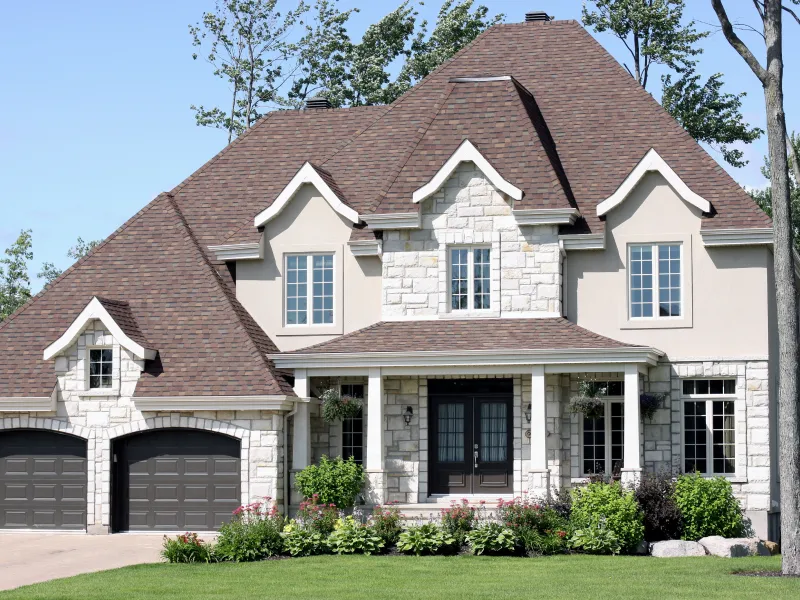
Deck Roof Installation Service
Protect Your Investment: Shielding Your Deck and Furnishings
Extending the Lifespan of Decking Materials
Constant exposure to sun and moisture can cause wood decking to warp, crack, and rot, while composite materials can fade and degrade. A roof minimizes this direct exposure, significantly extending the lifespan of your decking and preserving its structural integrity and appearance for years to come.
Preserving Outdoor Furniture and Grills
Valuable outdoor furniture, cushions, textiles, and cooking equipment are susceptible to damage from rain, sun, and temperature fluctuations. A deck roof protects these items from discoloration, rust, and premature wear, ensuring your outdoor furnishings remain in excellent condition and ready for use.
Reducing Routine Maintenance Demands
By shielding your deck from direct precipitation, falling leaves, and other debris, a roof lessens the need for frequent cleaning. It also reduces the necessity for regular staining, sealing, or painting, saving you time, effort, and money on routine upkeep.
Structural Integration: Planning for a Seamless Addition
Attaching to the House: Ledger Boards and Flashing
A secure connection to the house is fundamental for a stable deck roof. This is typically achieved by attaching a ledger board directly to the home’s exterior wall. Correctly installed flashing is essential at this connection point to create a waterproof seal, preventing water from infiltrating the wall and causing structural damage.
Foundation and Support Posts: Bearing the Load
The new roof structure adds significant weight that must be safely managed. Adequate footings and correctly sized support posts are necessary to bear this load, which includes the weight of the roofing materials and potential snow accumulation. A professional assessment will ensure the foundation is robust enough to prevent sagging or structural failure.
Matching Roof Pitch and Aesthetics
For a visually appealing addition, the deck roof should complement your home’s existing architecture. Matching the pitch and style of the house’s roof creates a seamless, integrated look. Using similar materials, such as shingles or trim, further ensures that the new structure appears as though it was part of the original home design.
Material Selection: Choosing the Right Coverage
Transparent and Translucent Options: Polycarbonate and Fiberglass
If you want to maintain a bright, naturally lit space, transparent or translucent materials like polycarbonate and fiberglass are excellent choices. These options provide full protection from rain and harmful UV rays while allowing sunlight to filter through, preventing the deck and adjacent indoor rooms from becoming too dark.
Traditional Roofing Materials: Shingles and Metal
For a seamless look that matches your home, traditional roofing materials are ideal. Asphalt shingles can be color-matched to your existing roof for a unified appearance, while standing seam metal offers exceptional durability and a modern aesthetic. Both options provide robust, long-lasting protection from the elements.
The Underside Finish: From Open Rafters to Finished Ceilings
The finish of the underside of your deck roof contributes significantly to its style. Leaving the rafters exposed creates a rustic, open feel. For a more polished, indoor-room aesthetic, you can install a finished ceiling using materials like beadboard or tongue-and-groove planks, which also provides a surface for mounting lights and fans.
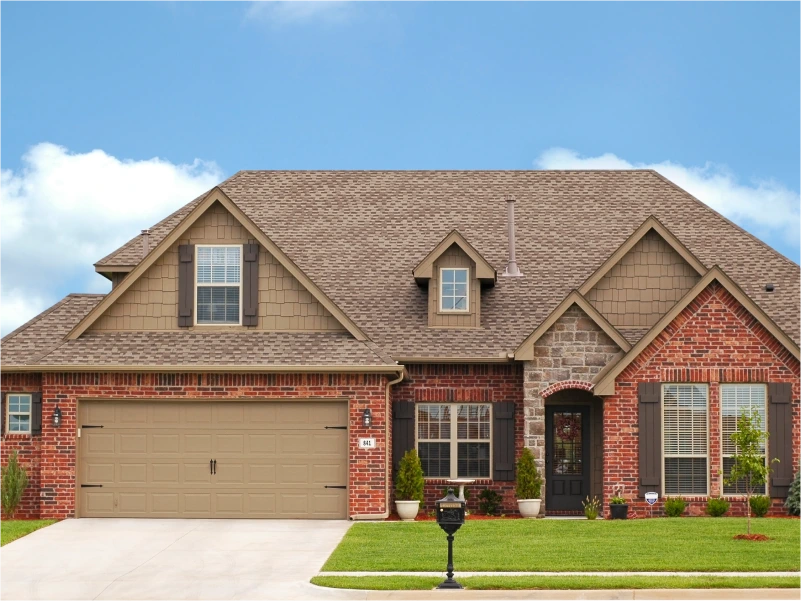
Deck Roof Installation Service Provider
Design and Style: From Simple Covers to Architectural Statements
Open-Gable Roofs for an Airy Feel
An open-gable roof features a triangular shape with a vaulted ceiling, which creates a sense of spaciousness and height. This design enhances airflow and gives the covered deck an open, airy ambiance, making it feel larger and more connected to the outdoors.
Shed Roofs for Simplicity and Water Management
A shed roof has a single, gentle slope and is often one of the simplest and most cost-effective designs to build. It attaches easily to the side of a house and effectively directs rainwater and snowmelt away from the home’s foundation, making it a practical choice for water management.
Pergola vs. Solid Roof: A Functional Comparison
It is important to distinguish between a pergola and a solid roof. A pergola offers partial shade with its slatted or latticed top, creating a dappled light effect but providing no protection from rain. In contrast, a solid roof offers complete shelter from both sun and precipitation, making the deck usable in all weather conditions.
Enhancing the Ambiance: Adding Comfort and Features
Integrating Lighting for Evening Enjoyment
Built-in lighting is essential for creating a functional and inviting atmosphere after dark. Options like recessed can lights, hanging pendant fixtures, or a ceiling fan with an integrated light kit allow you to enjoy your covered deck for dining, entertaining, or relaxing well into the evening.
Managing Airflow with Outdoor Ceiling Fans
On hot, humid days, still air can make a covered deck feel stuffy. Installing an outdoor-rated ceiling fan improves comfort by creating a gentle breeze that circulates the air. This simple addition can make your outdoor space much more pleasant during the warmest months.
Adding Privacy and Weather Screening
To enhance privacy and provide additional protection from the elements, consider adding screens or shades. Roll-down shades can be lowered to block wind, driving rain, or intense late-afternoon sun. Permanent screens can enclose the space entirely, offering a barrier against insects while still allowing for airflow.
Navigating the Building Process: Permits and Professional Help
Understanding Local Building Codes and Requirements
Before beginning construction, it is crucial to research your municipality’s building codes. These regulations govern factors like structural requirements, height restrictions, and property line setbacks. Compliance ensures your project is legally sound and meets all safety standards.
The Importance of Securing Building Permits
Obtaining the proper building permits is a non-negotiable step in the construction process. A permit ensures that your project plans have been reviewed and approved by local authorities, verifying that the structure will be safe and compliant. This official documentation is also essential for insurance purposes and for the future sale of your home.
When to Hire a Professional Contractor
Due to the structural and waterproofing complexities involved, adding a roof to a deck is a project best left to experienced professionals. A licensed contractor will have the expertise to design and build a structure that is safe, durable, and seamlessly integrated with your home, preventing costly mistakes and potential hazards.
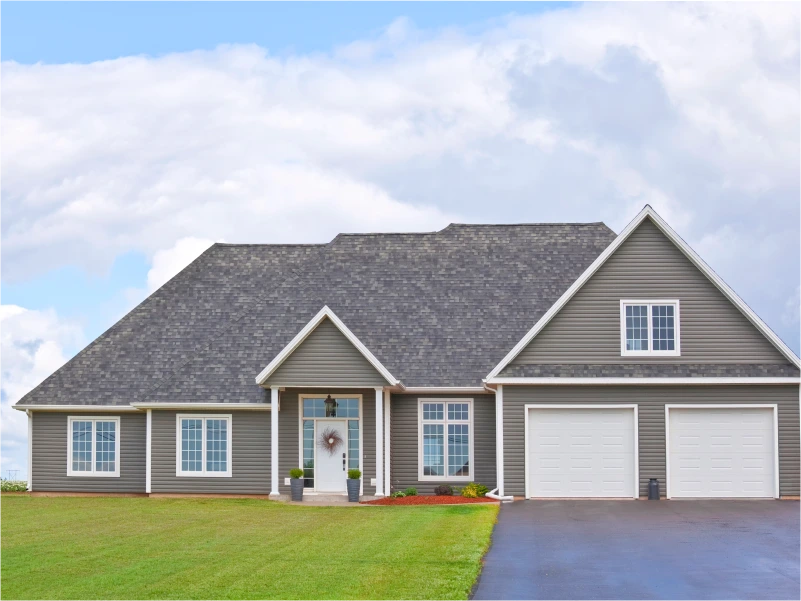
Deck Roof Installation
Iron Bull Roofing: Your Partner in Durable Overhead Protection
Expert Integration with Your Existing Roof
Our team excels at tying in new deck roofs with your home’s existing roof system. We follow a meticulous process to ensure all connections are properly flashed and sealed, eliminating the risk of leaks and water damage to your home’s structure.
Quality Material Sourcing and Installation
We are committed to using only high-grade roofing materials that provide reliable, long-term protection. Whether you choose traditional shingles to match your house or a durable metal system, we source and install the best products to ensure your deck roof withstands the elements for years to come.
Comprehensive Structural and Waterproofing Assessment
Iron Bull Roofing works closely with your builders to perform a thorough assessment of the entire roofing system. From verifying the integrity of the support structure to executing a flawless, watertight installation of the final roof covering, we ensure your new outdoor space is secure, safe, and built to last.
Financial Considerations: Budgeting and Added Home Value
Estimating Project Costs: Materials, Labor, and Finishes
The total cost of a deck roof project is influenced by its size, design complexity, material choices, and labor rates. Key factors include the type of roofing, the finish of the ceiling, and whether you add features like lighting or fans. Obtaining detailed quotes from contractors will help you establish a realistic budget.
Long-Term Savings on Deck and Furniture Replacement
The initial cost of a deck roof can be offset by long-term savings. By protecting your deck and outdoor furniture from weather damage, the roof extends their lifespan and reduces the frequency of costly repairs and replacements, making it a financially prudent investment over time.
Boosting Curb Appeal and Resale Value
A well-designed covered deck is a highly desirable feature for homebuyers, significantly boosting your home’s curb appeal and marketability. This attractive and functional outdoor living space can provide a strong return on investment by increasing your home’s overall resale value.
A Lasting Improvement to Your Home
Adding a roof to your deck is a strategic investment that delivers both functional and financial rewards. A covered deck expands your usable living space, protects your property from the elements, and adds tangible value to your home. By transforming your deck into a versatile, all-weather outdoor room, you create a valuable asset that enhances your lifestyle for years. To ensure your new space is constructed safely and correctly, always consult with qualified roofing and building professionals who can guide you through the process.
https://www.google.com/maps?cid=1166087704919324729